
Educational
The Critical Importance of Early Detection in Breast Health
Dra. Angely Quiceno · August 18, 2026
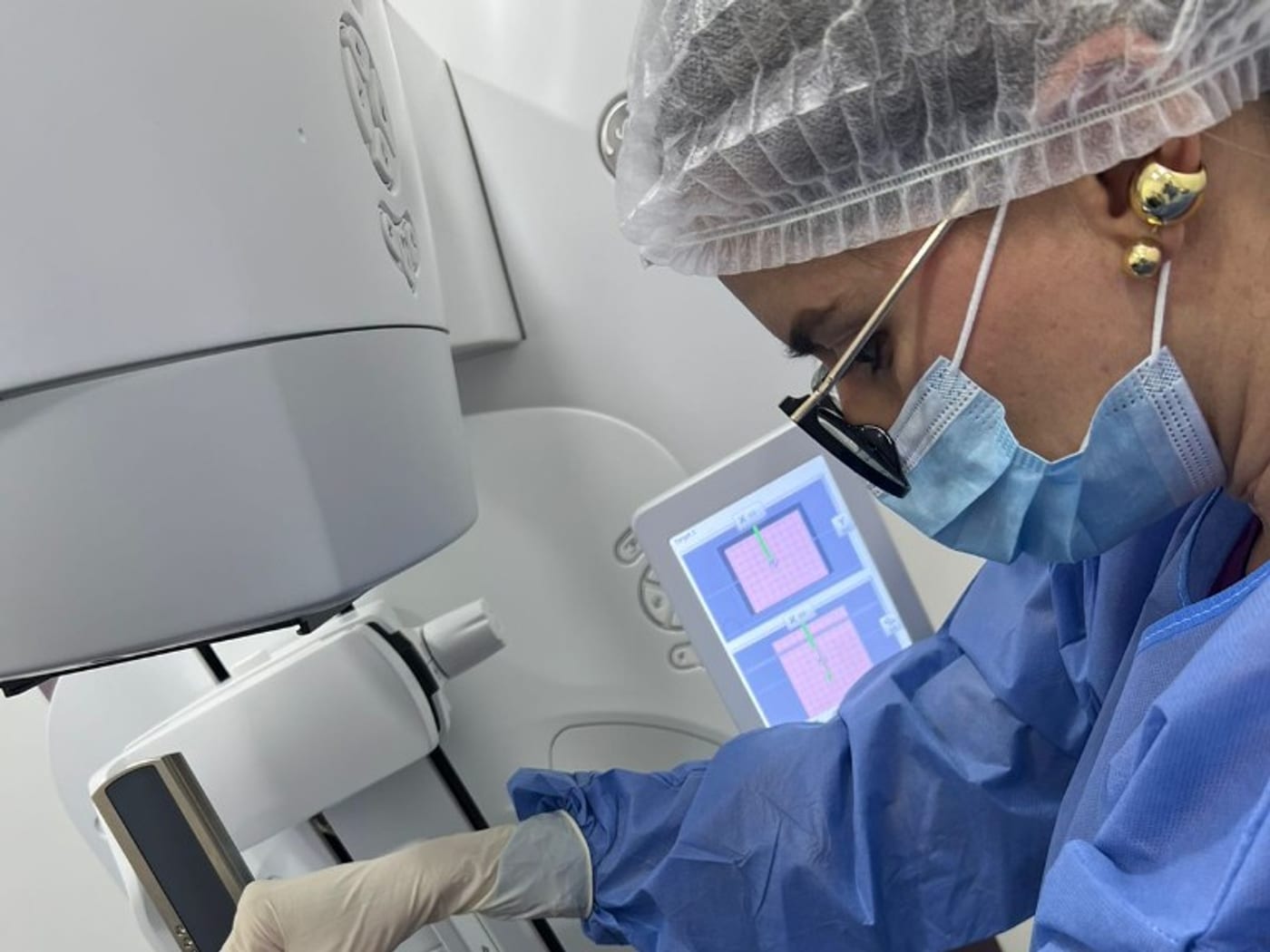
High-resolution mammography can identify microcalcifications and millimetre-sized lesions years before they become palpable. That lead time is often the difference between more conservative care and a more aggressive pathway.
Why early detection matters
When a finding is identified early, there are usually more treatment options, less extensive surgery in many scenarios, and better long-term outcomes. Screening does not “create” disease: it allows action before growth or spread.
In Colombia, the National Cancer Institute and the Ministry of Health guide screening by age and risk. For average-risk asymptomatic women, biennial mammography between ages 50 and 69 is the most consolidated national recommendation; between 40 and 49, annual clinical breast exam and shared decision-making with your physician matter especially. International societies such as the American College of Radiology (ACR) often suggest starting annual mammography at 40. What matters is not memorising a single number, but agreeing on a plan with your specialist based on your history.
Who should prioritise screening
Talk to your doctor if you have:
- A first-degree family history of breast or ovarian cancer.
- Prior biopsies with atypia or high-risk findings.
- Elevated breast density reported on earlier studies.
- Chest radiotherapy in youth.
- Warning symptoms: a new lump, skin or nipple retraction, spontaneous discharge, change in breast shape, or axillary nodes.
Symptoms always warrant imaging evaluation — age is not an exclusion criterion.
What imaging adds
Mammography is the reference screening study: low-dose X-rays, especially sensitive to microcalcifications. Breast ultrasound complements the workup, particularly in dense tissue or to characterise nodules. In selected high-risk cases, MRI may be added. No single test replaces the others: they are chosen and combined by clinical context.
What to do with the result
A BI-RADS report is not a definitive cancer diagnosis; it is a category that guides the next step (follow-up, additional imaging, or biopsy). Ask for a plain-language explanation and keep your images for comparison over time.
Book your assessment
At Almavita, breast pathology is led by a radiology team experienced in diagnosis and intervention. If you are unsure when to start or repeat mammography, book via WhatsApp and bring prior studies.
Note: this article is educational and does not replace a medical consultation. Screening recommendations must be individualised.